


How we do what we do
Our thematic areas
Our work aligns and falls within strategic thematic areas that make us uniquely effective in holistic youth empowerment. We begin by healing the individual through Creative Arts for Psycho-Social Well-being and Mentorship, where music, drama, and poetry provide the therapeutic tools to rebuild vulnerable boys from the inside out, fostering the emotional resilience essential for all future growth. This stable foundation enables youth to fully engage with our Climate-Smart Agriculture and Food Security pillar, where they transform from subsistence laborers into innovative “green” entrepreneurs, mastering techniques that combat food insecurity while protecting the environment. We then bridge these skills to tangible prosperity through Youth-Led Agribusiness and Enterprise Development, equipping young people to turn their harvests and creative talents into self-sustaining businesses that break the cycle of poverty. Finally, this entire journey is framed by Environmental Stewardship and Community Resilience, positioning our youth as vital leaders who enhance their community’s ability to withstand climate shocks. It is this intentional, synergistic integration—healing the heart, training the hands, and empowering the mind within an ecosystem of community care—that makes HARVY truly unique and outstanding, ensuring we create not just successful farmers or artists, but resilient, confident, and self-reliant leaders.

Creative Arts for Psycho-Social Well-being and Mentorship
This theme directly tackles the crisis of mental health, lack of emotional outlets, and absence of positive role models for young men. Through structured programs in music, dance, drama, poetry, and writing, we provide safe spaces for emotional expression and identity formation. These activities are not merely recreational; they are therapeutic interventions that help process trauma, build self-esteem, and foster resilience. Mentorship is embedded within these creative processes, connecting youth with artists and community leaders who model constructive behavior and life skills. This foundation of psycho-social well-being is critical for re-engaging school dropouts and preventing substance abuse and crime. It aligns with SDG 3 (Good Health and Well-being) by promoting mental health and SDG 4 (Quality Education) by developing critical soft skills. It feeds into HARVY’s main objective by creating the emotionally stable and confident individuals necessary to fully benefit from the agricultural and entrepreneurial training, ensuring holistic empowerment.
Climate-Smart Agriculture and Food Security
This theme addresses the dual challenges of youth unemployment and climate-vulnerable farming practices. We move beyond traditional agriculture by training youth in climate-resilient techniques like water conservation, organic farming, and integrated pest management. This empowers them to become “food security champions” in their communities, ensuring local nutrition while protecting the environment. The focus is on practical, hands-on training that demonstrates how farming can be a profitable and dignified career path. This directly contributes to SDG 2 (Zero Hunger) and SDG 13 (Climate Action). It is the “Agriculture” pillar of HARVY’s harmonized model, providing a tangible, sustainable livelihood that aligns with Uganda’s NDP IV priority of agricultural modernization. By making agriculture attractive and viable, we provide the economic stability that supports the overall objective of creating self-sufficient youth.
Climate-Smart Agriculture and Food Security
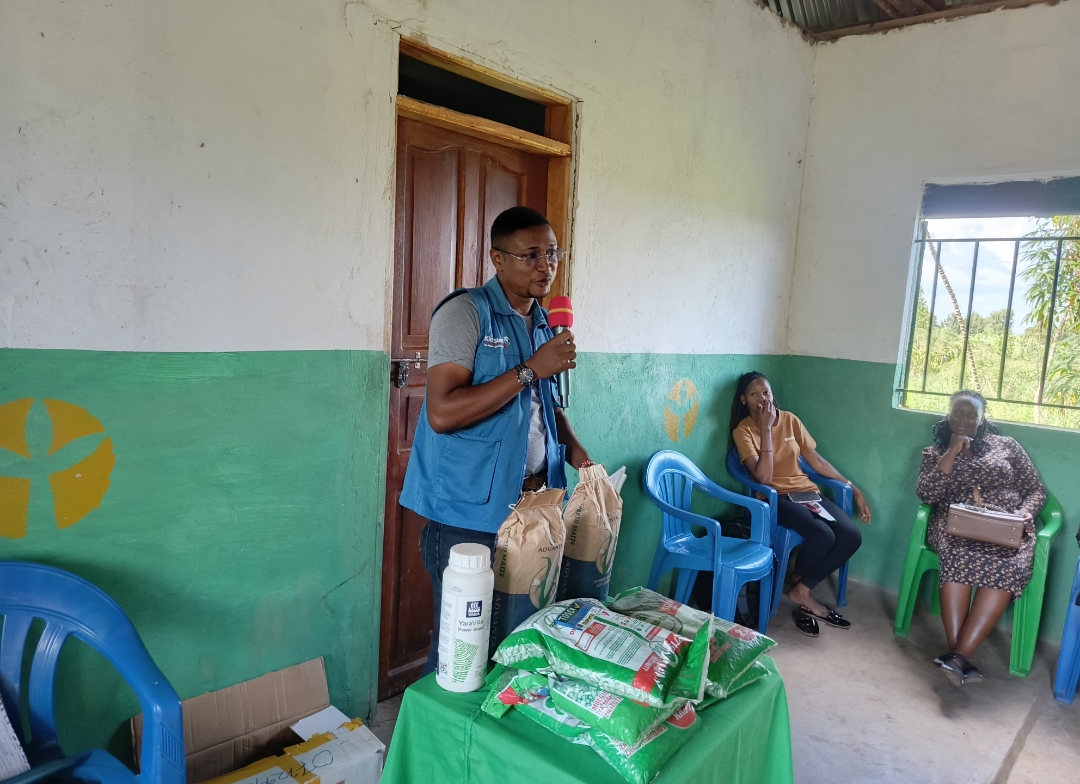
This theme addresses the dual challenges of youth unemployment and climate-vulnerable farming practices. We move beyond traditional agriculture by training youth in climate-resilient techniques like water conservation, organic farming, and integrated pest management. This empowers them to become “food security champions” in their communities, ensuring local nutrition while protecting the environment. The focus is on practical, hands-on training that demonstrates how farming can be a profitable and dignified career path. This directly contributes to SDG 2 (Zero Hunger) and SDG 13 (Climate Action). It is the “Agriculture” pillar of HARVY’s harmonized model, providing a tangible, sustainable livelihood that aligns with Uganda’s NDP IV priority of agricultural modernization. By making agriculture attractive and viable, we provide the economic stability that supports the overall objective of creating self-sufficient youth.
Youth-Led Agribusiness and Enterprise Development
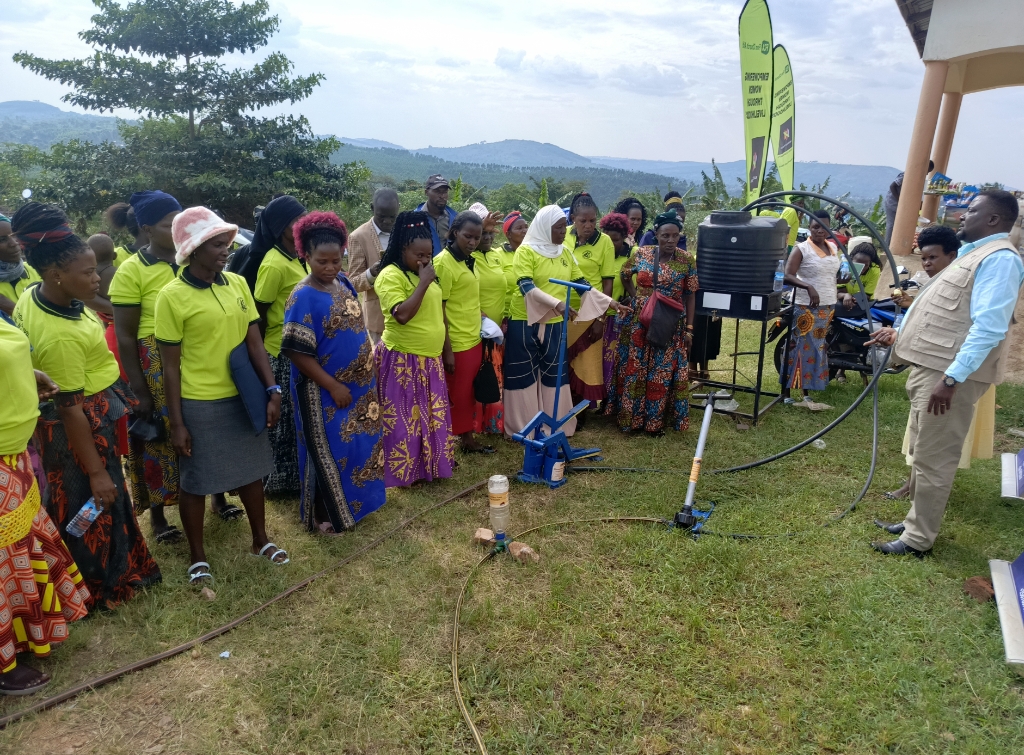
Building on the skills gained from the first two themes, this area provides training in business fundamentals, financial literacy, market analysis, and value addition. Youth learn to develop business plans for their creative ventures (e.g., performance troupes, recording) and agricultural products (e.g., processing, packaging, marketing). The proceeds from these enterprises are reinvested into the program, creating a self-sustaining model that funds education, clothing, and nutritional needs. This approach is crucial for achieving SDG 8 (Decent Work and Economic Growth) by creating concrete economic opportunities and aligning with NDP IV’s focus on private sector growth. It feeds into HARVY’s core objective by ensuring that empowerment is not just psychosocial but also economic, breaking the cycle of poverty and providing a tangible return on participation that sustains engagement and growth.
Environmental Stewardship and Community Resilience
This theme connects the dots between sustainable agriculture, community well-being, and climate action. Youth are trained not only as farmers but as environmental stewards. Their work in water conservation, soil health, and organic farming is presented as a vital service to the community, enhancing its ability to withstand climate shocks. Creative arts are utilized for community outreach, with youth creating performances and campaigns that educate their communities on environmental issues. This positions participants as positive change agents, boosting their sense of purpose and value. It deepens the impact of SDG 13 (Climate Action) and strengthens community ties, which is essential for sustainable development. This theme supports HARVY’s objective by grounding the empowerment of the boy child in a role of leadership and responsibility within his community, ensuring long-term impact and integration.
Environmental Stewardship and Community Resilience
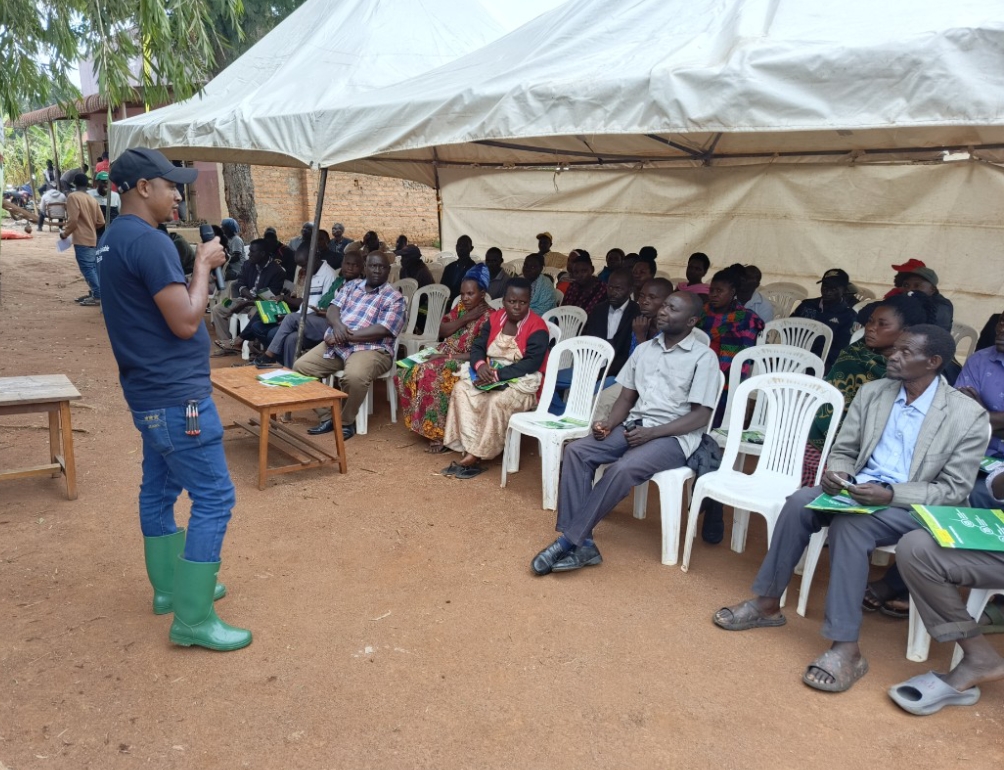
This theme connects the dots between sustainable agriculture, community well-being, and climate action. Youth are trained not only as farmers but as environmental stewards. Their work in water conservation, soil health, and organic farming is presented as a vital service to the community, enhancing its ability to withstand climate shocks. Creative arts are utilized for community outreach, with youth creating performances and campaigns that educate their communities on environmental issues. This positions participants as positive change agents, boosting their sense of purpose and value. It deepens the impact of SDG 13 (Climate Action) and strengthens community ties, which is essential for sustainable development. This theme supports HARVY’s objective by grounding the empowerment of the boy child in a role of leadership and responsibility within his community, ensuring long-term impact and integration.